Listed building consent and windows
What consent covers, when it is required, and what evidence tends to support an application.
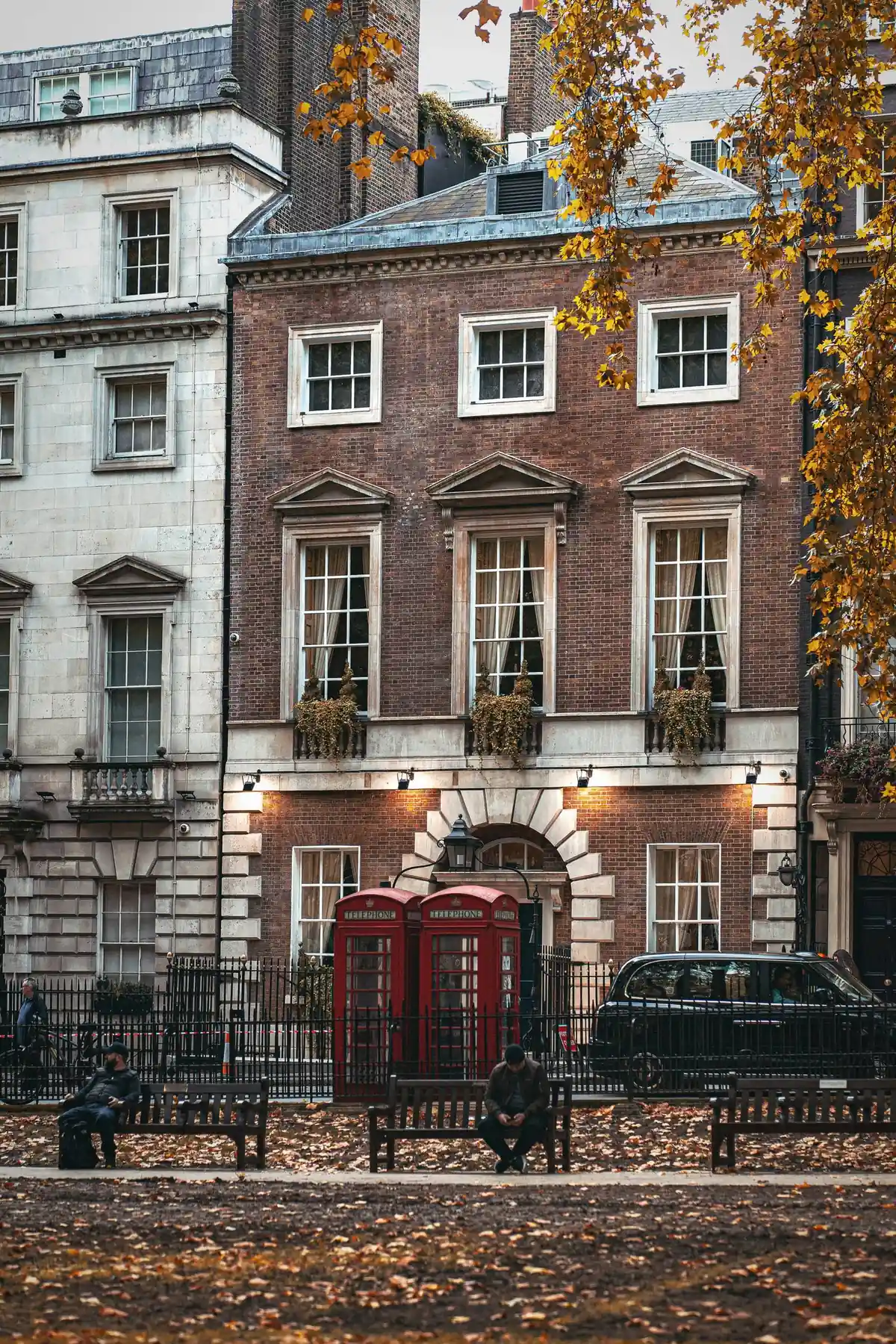
Listing covers the whole building
A common and expensive misunderstanding is that listing protects a facade, or the parts of a building that can be seen from the street. It does not. Listing applies to the whole of the building, inside and out, and to structures within its curtilage.
Windows are rarely incidental to that. In most period buildings they are among the most significant surviving elements: their proportions set the rhythm of the elevation, and their glazing, horns and glass carry the date of the building more legibly than almost anything else. Work to them is very often work that requires consent.
When you will need consent
Consent is required for works that affect the character of a listed building as a building of special interest. In window terms, that generally includes replacing windows, altering their configuration or opening method, changing glazing bar profiles or sections, and introducing double glazing where single glazing exists.
Like-for-like repair using matching materials and detail does not usually require consent, but the boundary between repair and alteration is narrower than it appears, and it is drawn by the local authority rather than by the owner. Where a proposal sits close to that line, it is worth establishing the authority's view before work begins rather than after.
Carrying out works that required consent without obtaining it is a criminal offence, and it is not cured by the works being sympathetic or well executed.
What supports an application
Applications concerning windows tend to succeed or fail on evidence rather than on intention. An officer assessing a proposal is asking what is there now, how much of it is original, what condition it is actually in, and whether the proposed intervention is the least that will answer the problem.
A survey answers the first three of those questions with photographs and description rather than assertion. Where an application proposes replacement, the case rests on demonstrating that repair was properly considered and found insufficient, and that is a much stronger position when the assessment was made by someone with no interest in which way it went.
It is worth saying plainly that a report does not guarantee consent. The decision rests with the local planning authority, and a well-evidenced application can still be refused.
Working alongside architects and officers
The practice frequently works as one part of a wider team, providing the window assessment that sits beneath a heritage statement prepared by others. We are equally often asked to comment on a scheme already drawn up, where the question is whether the window proposals will survive scrutiny.
Where a conservation officer has raised a specific objection, a focused assessment addressing that point is usually more useful than a general report.
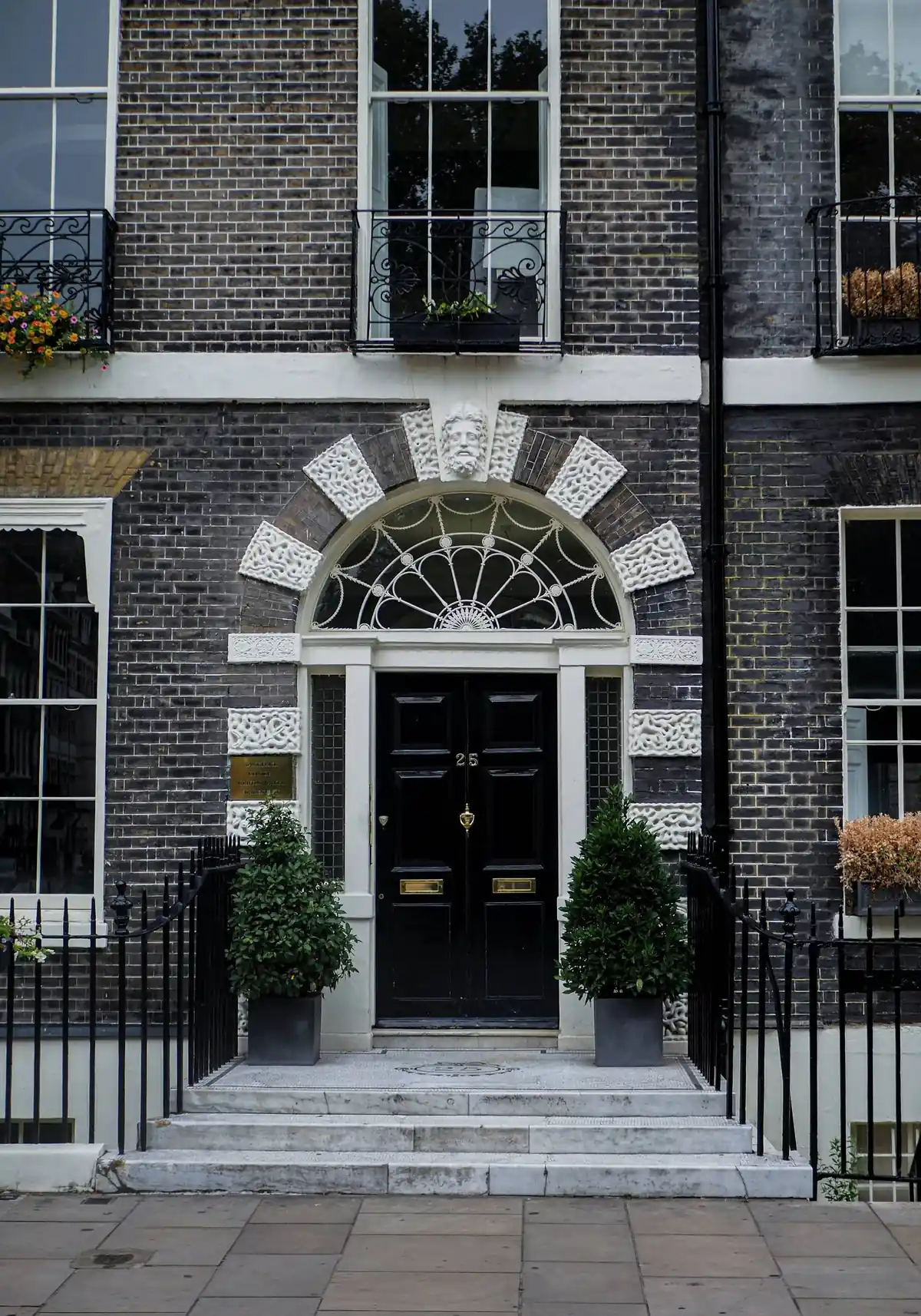
Inside and out, not only the elevation.
Find out what your windows need
Homeowners. We reply within one working day.
Find out what your windows need- Practice
- Heritage Window Consultants Ltd
- Address
- London N1
- Enquiries
- 020 7164 6305