Should I repair or replace the windows in my listed building?
How to tell whether a period window can be repaired, what a competent repair looks like, and when replacement is the honest answer.
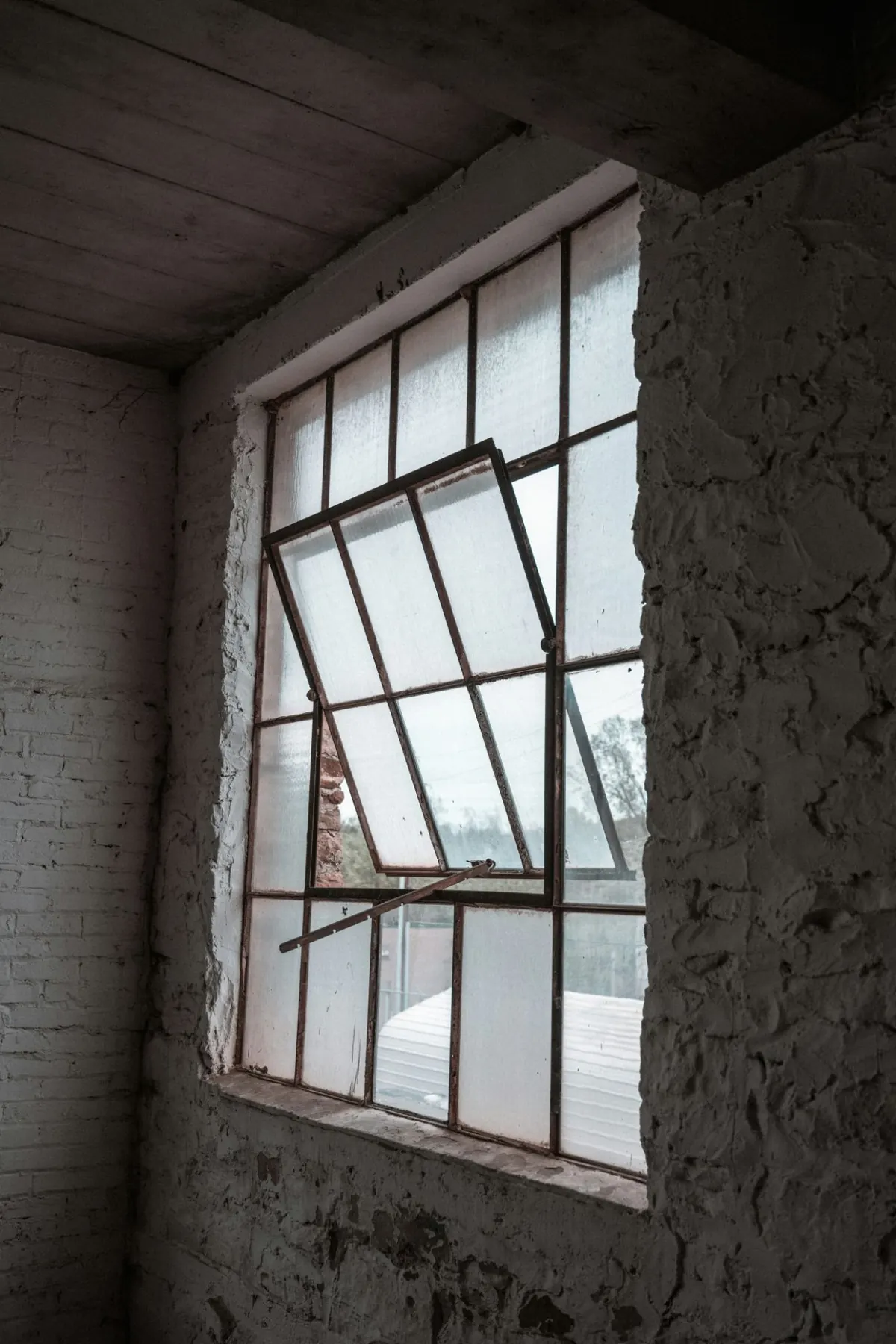
Repair, in most cases. A sash window is made of separable parts, and rot in a cill or bottom rail does not condemn the box, the sashes or the glass. Replacement is right when repeated repairs have left little original fabric, or when the window is a later, poor replacement itself.
Reviewed by Heritage Window Consultants
Why is repair usually the right answer?
A traditional sash window was built to be taken apart. The sill, the bottom rails, the staff beads, the parting beads, the cords and the pulleys can all be replaced without touching the box or the glass, and they were always expected to be replaced from time to time over the life of the window.
That is why a decayed bottom rail is a repair rather than a condemnation. The question is not whether the window has defects, but whether the parts that carry the building’s character, the box, the sash profiles, the glazing bars and any historic glass, are still sound.
When is replacement the right answer?
Where successive repairs have left so little original fabric that the window is effectively a modern object already, or where the window is itself a later replacement of no special interest, replacement becomes the honest recommendation.
It is also the right answer where the box frame has failed structurally. One survey will often reach different answers within the same building, with boxed sashes showing serious frame movement recommended for replacement while later replica windows on the same floor are given the option of restoration instead, because the condition differs window by window.
What does a competent repair involve?
Splicing new timber into decayed sections rather than renewing whole components, re-cording and easing the sashes so that they run again, renewing the putty, and restoring the balance so that the window holds at any position. Where a sash has been painted shut or the pulleys sealed, freeing the mechanism is part of the work.
Preparation matters as much as the joinery. Lead paint is common on windows of this age, and stripping or sanding must be carried out under lead-safe conditions, which needs to be allowed for in the cost and the programme rather than treated as an afterthought.
What evidence will the conservation officer expect?
Where replacement is proposed, the officer will expect to see the condition of each window recorded individually, close-range photographs, and reasoning that distinguishes the box from the sashes from the glass.
Where the survey concludes that some windows can be restored and others cannot, it is important to say so, window by window, because a blanket recommendation across a whole building is the version most likely to be refused.
| What is being judged | Points towards repair | Points towards replacement |
|---|---|---|
| Box frame | Sound, or locally decayed | Major movement, or the box has already been removed |
| Sash profiles | Original sections and mouldings survive | A modern replica of no special interest |
| Glass | Historic glass surviving | Modern float throughout |
| Repair history | Largely original fabric | Little original fabric left |
| Mechanism | Cords and pulleys renewable | The box can no longer carry the weights |
Primary sources
Common questions
Is repair always cheaper than replacement?
Not always, and it is not the argument to lead with. Repair is usually preferred because it keeps original fabric, which is what consent turns on, and costs are quoted in writing once the condition of each window is known.
My builder says the windows are beyond repair. Is that likely?
Sometimes it is right. It is still worth checking with an independent survey, because whether a window can be saved depends on which parts have failed, and that is a judgement best made by someone looking closely and with nothing riding on the answer.
Can original glass be kept when a sash is repaired?
Usually, yes. Historic glass is normally removed, stored and put back, and keeping it is one of the stronger points in a consent application.
What if only some windows need replacing?
That is the usual outcome, and treating windows differently according to their condition is easier to justify than one specification applied across the whole building.
Find out what your windows need
Homeowners. We reply within one working day.
Find out what your windows need- Practice
- Heritage Window Consultants Ltd
- Address
- London N1
- Enquiries
- 020 7164 6305