Can I double glaze a listed building?
Whether your listed building can take double glazing, from very slim vacuum glass in original sashes to slimline units in new like-for-like sashes.
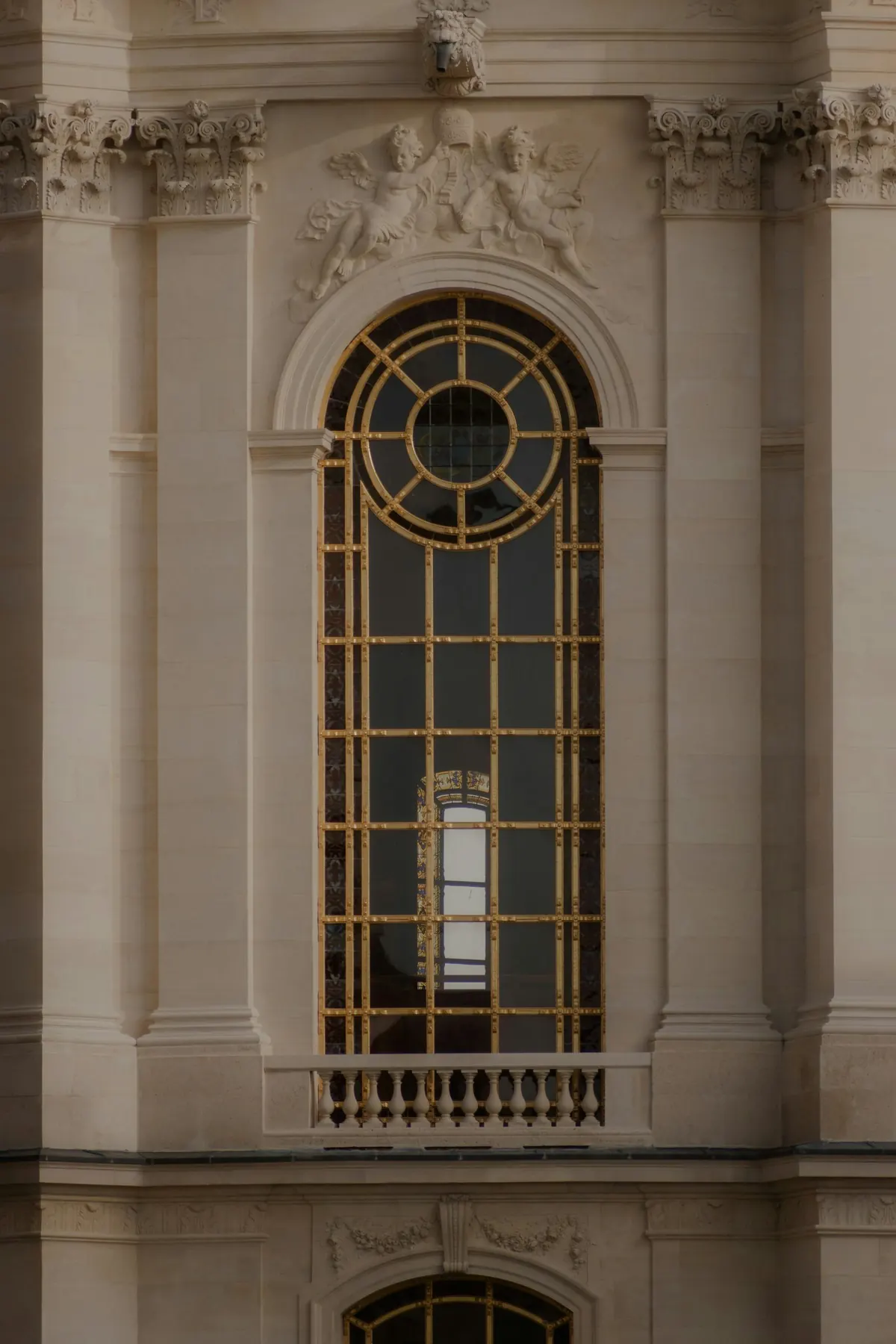
Often, yes, though it will need listed building consent and it depends on what your windows can take. Where the original sashes survive, it is sometimes possible to fit new glass into them, provided the rebates are deep enough and the glazing bars are robust enough to carry it, and the newest very slim vacuum-insulated glass has made that possible in far more windows than it once was. Where that is not possible, slimline double-glazed units, now something of a heritage standard, can be fitted into new sashes made like for like, keeping the original box frames in place. A survey of each window tells you which of these routes is open to you, and in most cases there is a better answer than secondary glazing.
Reviewed by Heritage Window Consultants · Last reviewed 5 October 2026
What decides whether your windows can take new glass?
Three things, and they are different for every window. The first is the depth of the rebate, the recess in the sash that holds the glass, because any new glass has to sit within it without the putty or beading changing how the window looks. The second is the size of the glazing bars, since thinner bars may not be strong enough to carry heavier glass and widening them changes the character of the window, which is usually what an officer will question first. The third is the condition of the sashes themselves, and whether any historic glass survives, because original glass that is still in place is something worth keeping in its own right.
These are measured, not guessed. We record the rebate depth, the glazing bar sections and the condition of each sash window by window, so you know which windows can take new glass, which cannot, and why.
Fitting very slim vacuum glazing into original sashes
Vacuum-insulated glass is a recent development, and the slimmest versions are now thin enough to fit many original rebates that would never have taken a conventional double-glazed unit. Where the sashes are sound and the rebates allow it, this means you can improve the thermal performance of a window while keeping the original sashes, glazing bars and box frame, which is the outcome conservation officers are most comfortable with.
Several manufacturers now make vacuum glass of this kind, and they differ in thickness, weight and appearance, so the right choice depends on the window. We will tell you which options suit your sashes, without recommending any particular supplier. Consent is still required, and the application will need to show that the new glass sits within the existing rebates without altering the sight lines.
Slimline double glazing in new like-for-like sashes
Where the original sashes cannot take new glass, or have already been replaced with later sashes of no particular interest, new sashes can be made like for like, matching the original profiles and glazing bar sections, with rebates designed to take a slimline double-glazed unit. The original box frames, which are usually the most significant part of the window, stay in place.
Slimline units have become something of a heritage standard for this kind of work, and when the sashes are made carefully they are very difficult to tell apart from the originals from the street. The detail that matters most is the width of the glazing bars, because a deeper unit often needs a slightly wider bar, and that change is what an officer will look at most closely.
What conservation officers look for
Officers are assessing whether the change affects the character of the building, so they look at how the window will read once the work is done: the sight lines, the width and profile of the glazing bars, the reflection and colour of the glass, and whether original fabric is being kept or lost. Section 7 of the Planning (Listed Buildings and Conservation Areas) Act 1990 sets the test, and carrying out work that affects the character of a listed building without consent is a criminal offence under section 9 in England and Wales.
An application that shows each window’s condition, explains why the chosen route suits it, and keeps as much original fabric as possible is far more likely to succeed than one that proposes the same specification for every window in the building.
What about secondary glazing?
Secondary glazing is a second, separate pane fitted on the inside of the existing window. It is reversible, and Historic England advises that reversible secondary glazing does not generally need listed building consent, which is why it is often suggested first. In our experience, though, it changes how a window looks and works from inside the room, it can sit awkwardly against shutters and panelling, and it rarely does justice to a fine period interior.
We recommend it only where the other routes are genuinely closed, for example where the original sashes and glass are of such significance that nothing about them can be altered, or where consent for any other option has been refused. In those cases it can be the right answer, and we will say so, but it is rarely where we would start.
The options compared
The table below sets out the four routes, from the one that keeps the most original fabric to the one that keeps the least.
| Option | What happens to the original window | When it is usually considered |
|---|---|---|
| Very slim vacuum glass in original sashes | Sashes, glazing bars and box frame all kept | Where the rebates and glazing bars can take it |
| Slimline units in new like-for-like sashes | Box frame kept, sashes remade to the original pattern | Where the original sashes cannot take new glass or are later replacements |
| Secondary glazing | Original window untouched, a second pane added inside | Only where the other routes are closed |
| Replacing the whole window | Box frame and sashes replaced | Only where the window has failed beyond repair |
Primary sources
- Historic England, Modifying Historic Windows as Part of Retrofitting Energy Saving Measures
- Historic England, Traditional Windows: their care, repair and upgrading (2017)
- Planning (Listed Buildings and Conservation Areas) Act 1990, section 7
- Planning (Listed Buildings and Conservation Areas) Act 1990, section 9
Common questions
Does double glazing a listed building need listed building consent?
Yes. Changing the glass in a listed building’s windows, whether by fitting new glass into the original sashes or by making new sashes, is a change to the building and needs listed building consent, and the application will need to show how the work affects the windows’ character.
Can new glass be fitted into my original sashes?
Sometimes. It depends on the depth of the rebates, the size of the glazing bars and the condition of the sashes, and the newest very slim vacuum glass fits many windows that could not have taken double glazing before. A survey measures each window and tells you which can.
What is slimline double glazing?
A double-glazed unit made thin enough to sit in a traditional sash, usually in new sashes made to match the originals. It has become something of a heritage standard for listed and period windows.
Does secondary glazing need listed building consent?
Generally not, where it is reversible and does not damage the frame, panelling or shutters, according to Historic England. We recommend it only where the other routes are closed, because it changes how the window looks and works from inside.
Will the council accept uPVC in a listed building?
In practice, no. The material, the section sizes and the way the window meets the reveal are all part of what is being assessed, and uPVC falls short on each of them.
Do the rules differ outside England?
Yes. Wales, Scotland and Northern Ireland each have their own consent regimes, and the Historic England guidance cited here applies to England.
Find out which glazing options your windows can take
Homeowners. We reply within one working day.
Request a condition report- Practice
- Heritage Window Consultants Ltd
- Address
- London N1
- Enquiries
- 020 7164 6305